

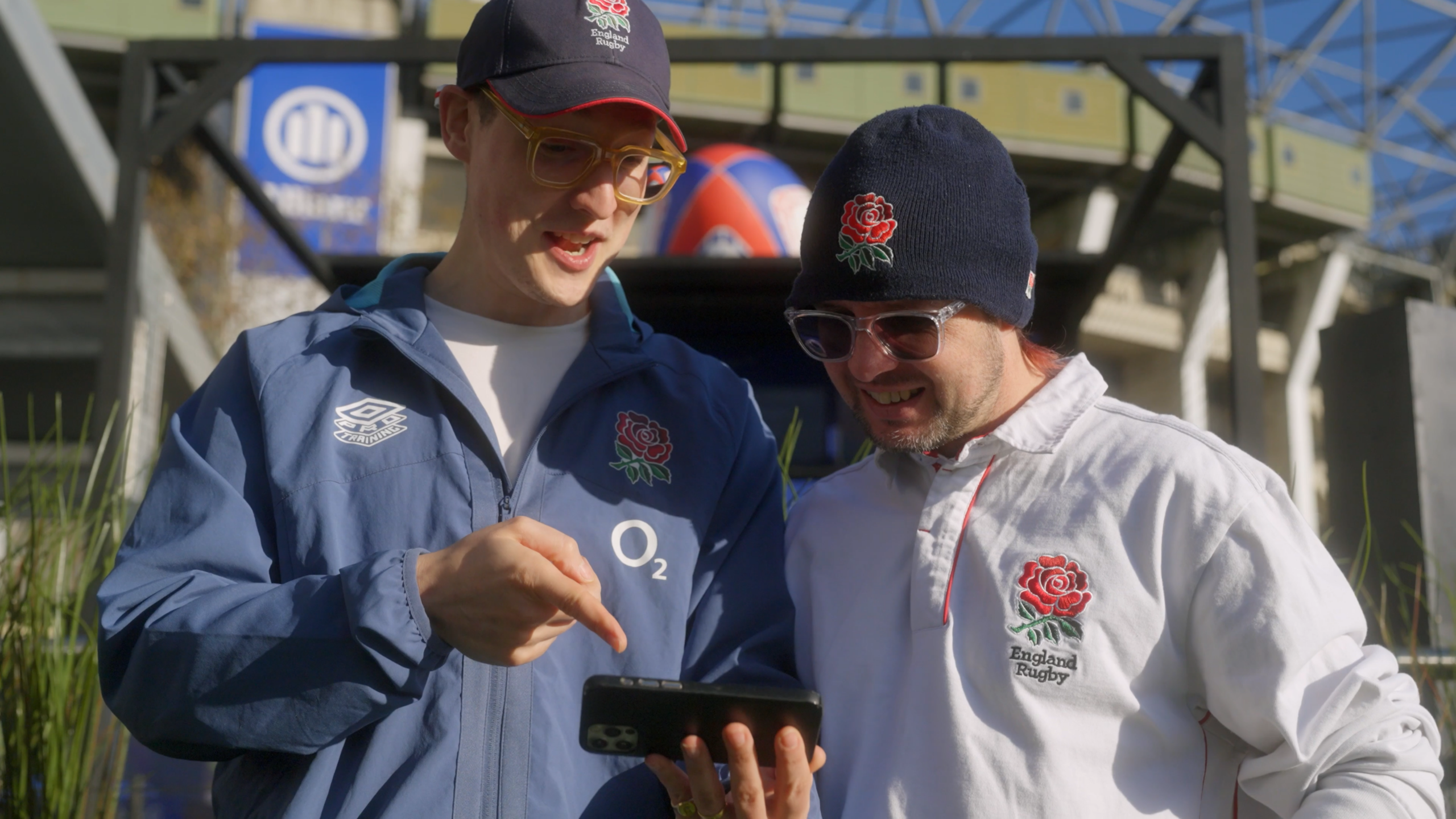
How connected experiences turn temporary interactions into lasting audience insight
The event is over. The stand has been packed away, the photos have been posted and somebody has exported a spreadsheet containing thousands of email addresses.
Now what?
Brands put a huge amount of work into collecting data during live experiences. But too often, the plan for that data ends at “send a follow-up email.”
That is a missed opportunity.
Brand activation data should tell you more than who attended. It should help you understand what people did, what interested them and how the experience can continue after they leave.
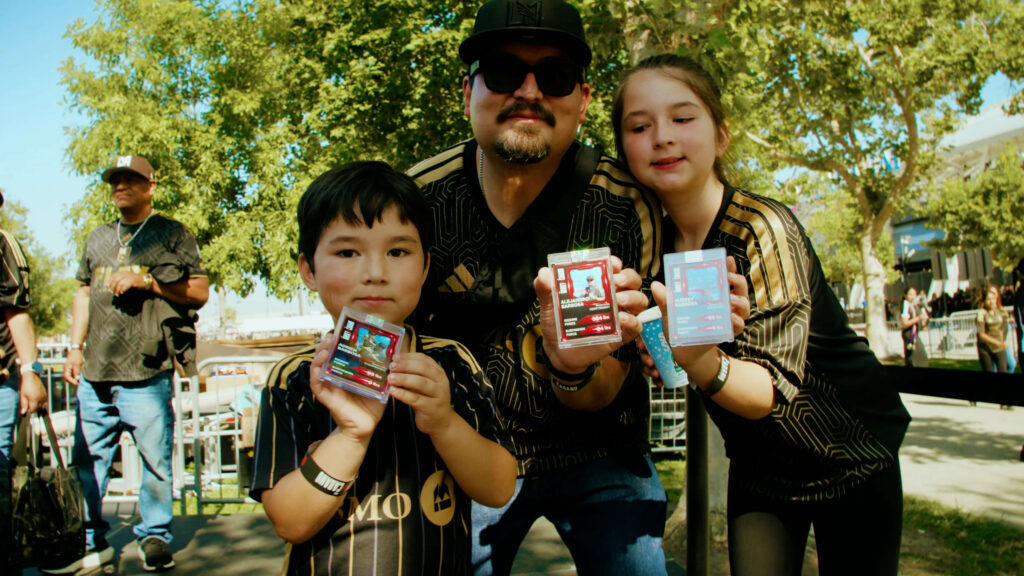
An Email Address Is Not an Audience Insight
Registrations can show how many people were willing to identify themselves, but that number alone tells us very little.
Did they participate in the experience? Which activities did they choose? Did they complete the journey? Did they unlock a reward? Did they return for another attempt?
Those behavioural signals make the data useful.
Ten thousand email addresses might look impressive in a campaign report. But a smaller group of profiles connected to real interests and interactions may be much more valuable to the brand.
The aim shouldn’t be to capture the most data. It should be to capture the right data, and have a clear reason for collecting it.
Connect the Journey, Not Just the Registration Form
The best time to plan what happens to activation data is before the event.
If registration, gameplay, content creation and rewards all use separate systems, the result is usually a collection of disconnected interactions. You may know that someone attended, but not what they did once they arrived.
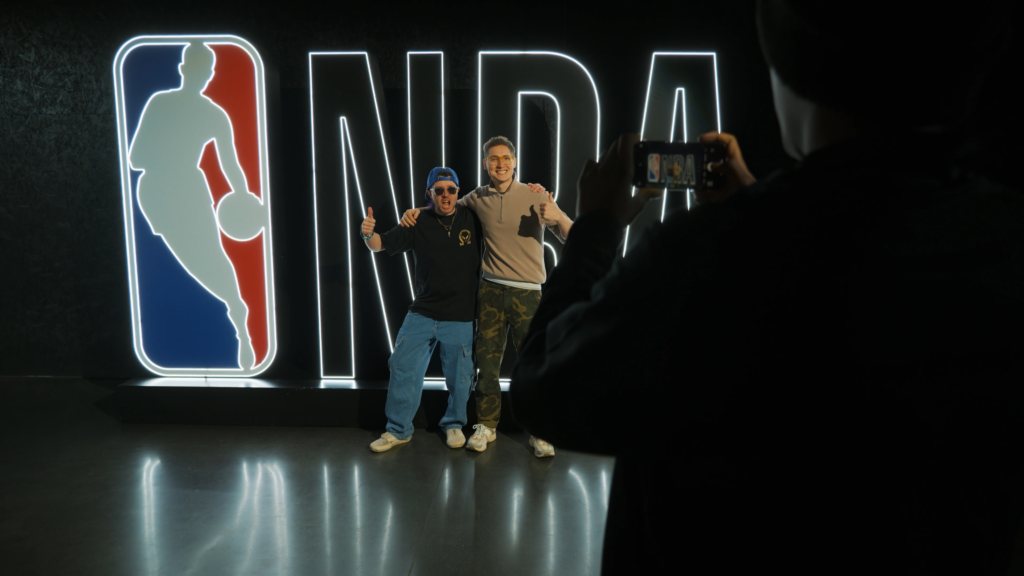
At NBA House in Berlin and London, one digital House Pass connected the full fan journey.
It handled registration and entry, then recorded participation across nine branded stands. Scores, tokens, completed activities and marketing permissions were connected to a single fan profile and passed into the NBA’s CRM.
Across the two cities, 20,000 fans registered and 50,000 tokens were unlocked.
The value wasn’t simply having a list of attendees. It was being able to understand how individual fans moved through the experience and what they chose to engage with.
Give People a Fair Exchange
Nobody attends a brand activation because they want to enrich a CRM record.
People share information when the exchange feels worthwhile. They might want to save a score, receive personalised content, unlock a reward or continue a journey across several activities.
The benefit needs to be immediate and easy to understand.
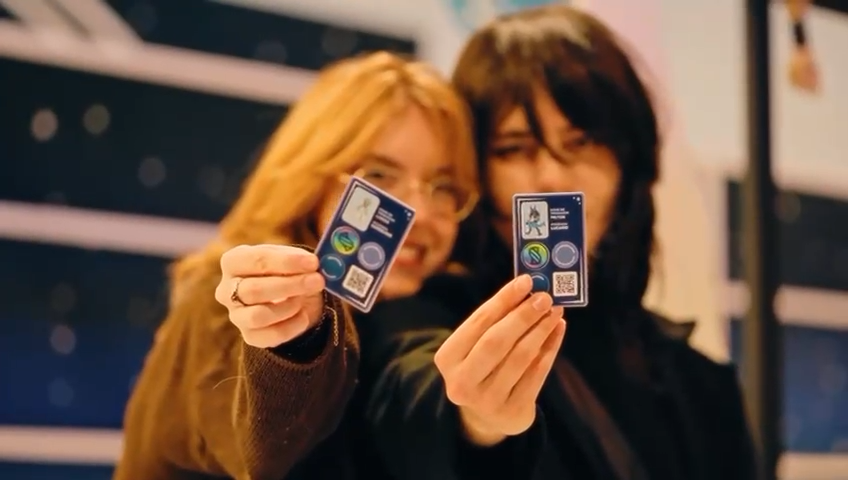
The Pokémon experiential tour used a personalised Mission Pass to connect four different touchpoints. Fans received a physical pass, then scanned it throughout the experience to unlock tailored responses and content.
Every interaction added context to the same profile.
More than 4,000 fans engaged each day across the international tour, with 50% of registered fans opting in as marketable contacts. Post-event emails achieved a 64% open rate.
Those results came from more than asking for an email address. Fans had already received a personal, connected experience, giving the subsequent communication relevance.
Don’t Let the Conversation Go Cold
The first follow-up after an activation shouldn’t feel like the brand is introducing itself again.
It should continue the experience.
That might mean sending personalised content, confirming a score, delivering a reward or recognising the activity someone completed. The best follow-up reminds people why they gave the brand permission to contact them.
Timing matters too.
Wait too long and the excitement disappears. Send a generic sales message immediately and the value of the experience can disappear just as quickly.
The communication should feel like the next chapter, not an unrelated marketing campaign.
Use the Data to Improve the Next Activation
Activation data shouldn’t only support post-event marketing. It should make the next experience better.
It can reveal which activities attracted the most attention, where people abandoned the journey and which rewards generated the strongest response.
It can show whether visitors wanted to play again, which content they downloaded and how participation differed between locations or audiences.
That knowledge becomes especially valuable when an activation is designed to run more than once. Instead of beginning again with assumptions, the brand can refine the experience using real behaviour.
The Event Is Temporary. Its Value Shouldn’t Be.
A live activation may last a day, a weekend or a few weeks.
The data and customer relationships it creates can last much longer.
But that only happens when the experience is connected from the start. Registration, participation, personalisation, consent and follow-up need to be treated as one journey.
Otherwise, the brand is left with a spreadsheet of people it met once.
The goal should be something far more useful: an audience it understands and has permission to speak to again.
Make Every Interaction Count
Want to turn live audience interactions into meaningful, measurable customer relationships? Discover how IUF Experiential connects registrations, participation and first-party data across the complete experience.
