

Creating long-term experiences that evolve across events, audiences and markets
Many brands still approach experiential marketing one event at a time.
A brief is written, an activation is built and everything is delivered for one date. Once the event ends, much of the technology, knowledge and audience insight is left behind.
There will always be moments that call for a one-off spectacle. But brands with sponsorships, touring campaigns or regular event calendars have a bigger opportunity.
Instead of commissioning separate projects, they can build a reusable experiential platform that becomes more effective every time it is deployed.
The challenge is making it repeatable without making it repetitive.
Start With the Full Programme
A reusable activation begins by looking beyond the next event.
Where will the brand meet its audience over the coming year?
Which events have similar requirements?
What should remain consistent, and what needs to change by venue, campaign or market?
Registration, user profiles, scoring systems, content delivery and CRM integration can often form a shared foundation.
Creative content, challenges and rewards can then change around that core, giving each audience a fresh experience without rebuilding the entire system.
Build a Flexible Foundation
The technology needs to be configurable rather than fixed.
A scoring engine should support different challenges. A registration platform should accommodate campaign-specific questions. Screens should make it easy to change creative content and rewards.
Think of the platform as a stage. The infrastructure remains dependable, but the performance can change.
Reusable activations must also work outside a controlled demonstration. Hardware needs to withstand transport, high footfall and different venue conditions. The system should be easy to install, test, monitor and maintain.
A clear operational playbook is just as important. It should cover setup, visitor flow, staff responsibilities, troubleshooting and data handling, helping teams deliver a consistent experience wherever it travels.
Improve the Experience Over Time
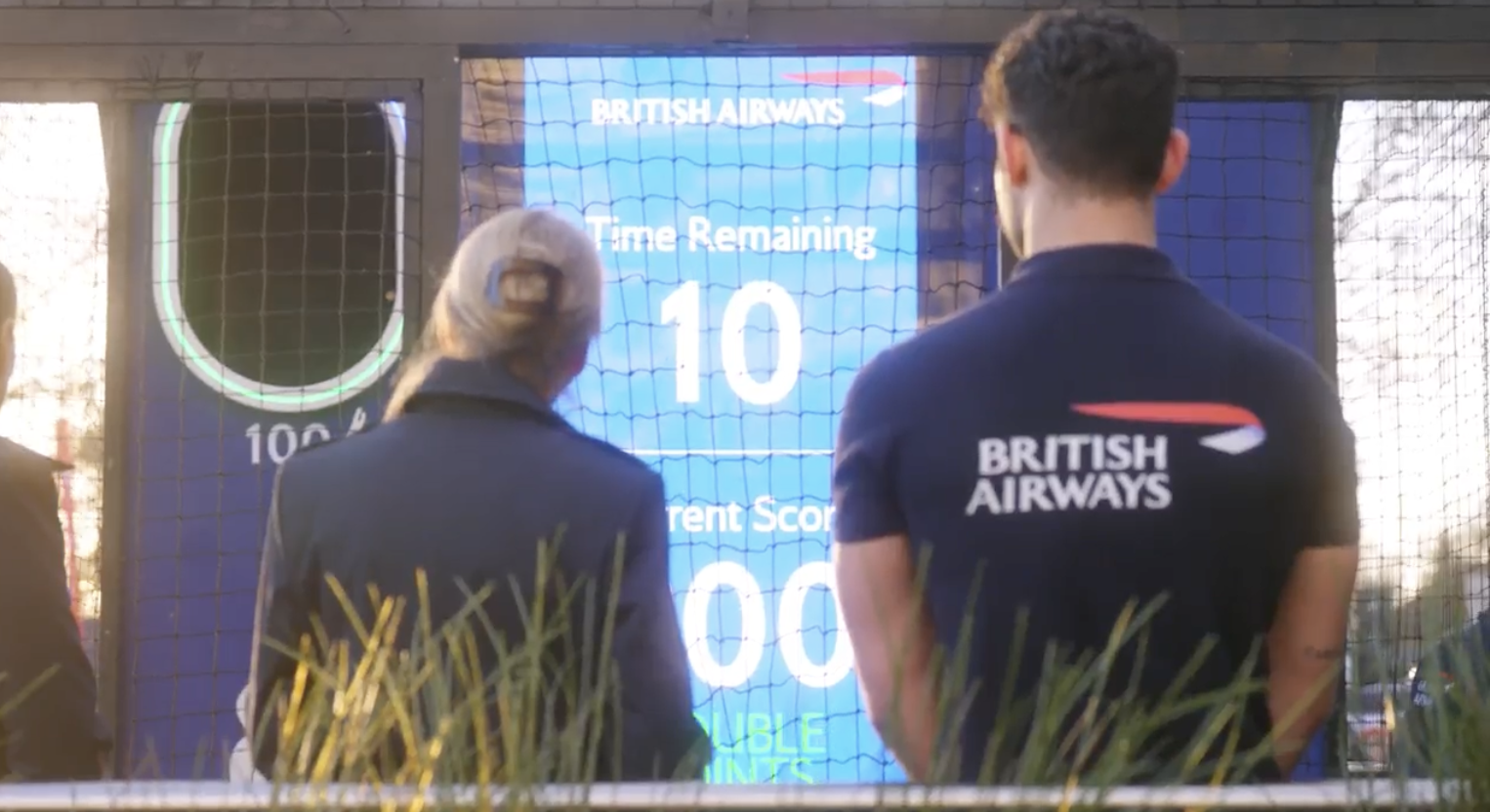
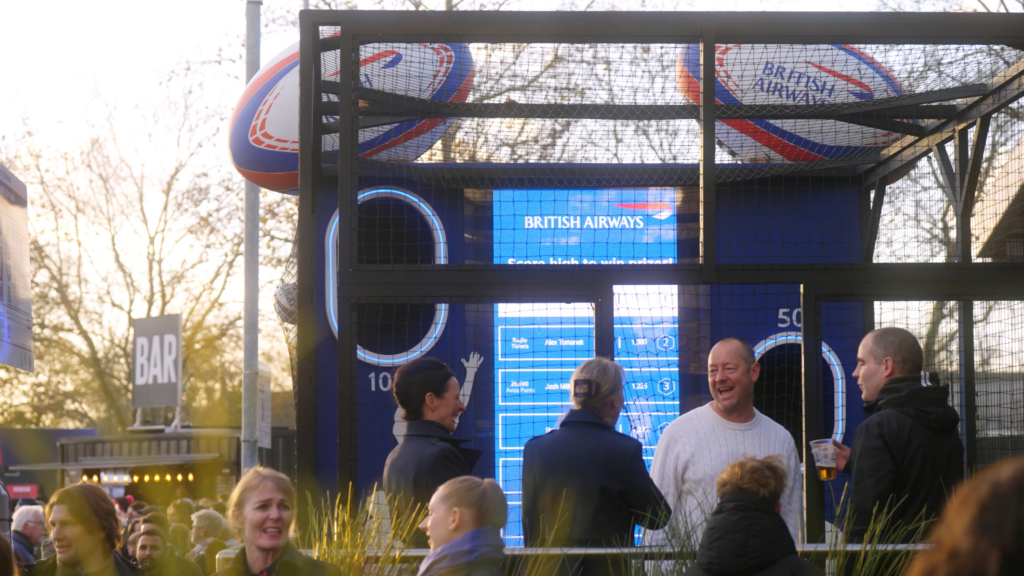
We have seen the value of this approach through our long-term work with British Airways and England Rugby.
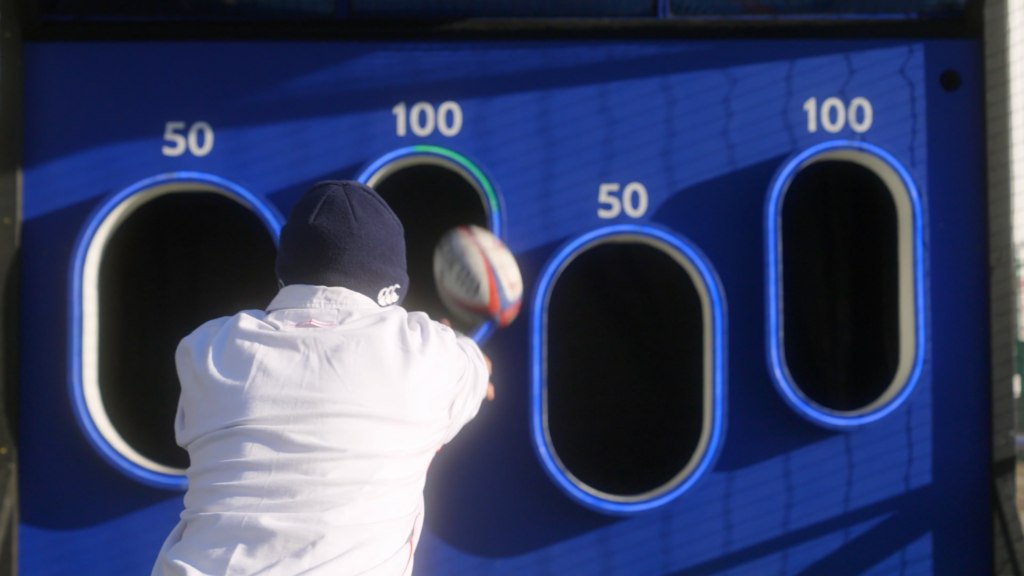
The connected passing and kicking challenges have now been delivered across 60 England Rugby match days. What began as a one-off activation in 2021 has evolved into a plug-and-play platform operated on site by one IUF technician.
Around 500 games are played per match day, with RFID connecting participants to live scoring, leaderboards, personalised content and rewards.
The experience has become faster, quieter and more reliable because the same platform has been tested and refined in real conditions.
That progress is difficult to achieve when every campaign begins again with a blank page.
Reusable Doesn’t Mean Identical
Content can change for a new season. Rewards can support different campaigns. Branding and language can adapt for each market.
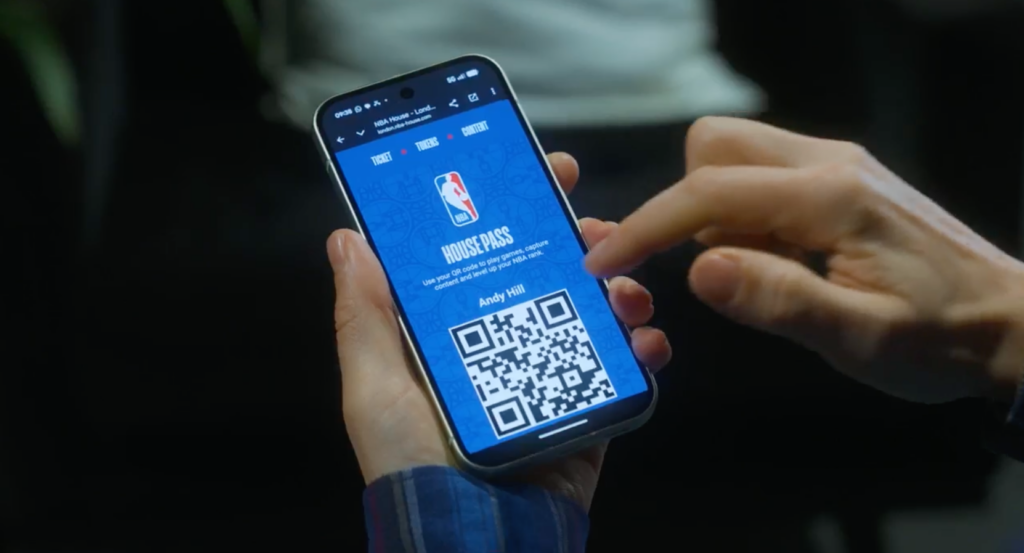
The Pokémon experiential tour used the same platform and hardware kit at major events in the United States, Mexico and Brazil.
A personalised Mission Pass connected registration with four digital touchpoints, while each interaction enriched a single fan profile. The platform was localised across three languages without rebuilding the core experience for each country.
It engaged more than 4,000 fans per day while maintaining a consistent customer journey at every location.
That is the balance brands should aim for: a dependable foundation with enough flexibility to stay relevant.
Keep the Data Connected
A long-term activation programme becomes more valuable when it uses a consistent data structure.
If every event relies on different platforms and measurement methods, it becomes difficult to compare performance or understand behaviour over time.
Connected data allows brands to see which activities attract the most engagement, how audiences differ between markets and whether changes improve participation.
It can also help the brand recognise returning visitors, rather than treating every event as the first interaction.
Treat the First Event as a Starting Point
The first deployment should establish a strong baseline, not be treated as the final version.
After each event, teams can review where visitors dropped out, how quickly queues moved, which activities were repeated and which rewards generated the strongest response.
Those insights can then improve the next deployment.
This is one of the biggest advantages of a long-term experiential partnership. Knowledge accumulates, mistakes aren’t repeated and the experience becomes more valuable with use.
A successful experiential programme shouldn’t reach its final form on opening day.
It should be built to travel, adapt and improve.
Build an Experience That Goes Further
Planning a year-round activation, sponsorship programme or touring experience? IUF Experiential creates reusable platforms that evolve across events, audiences and markets.
