

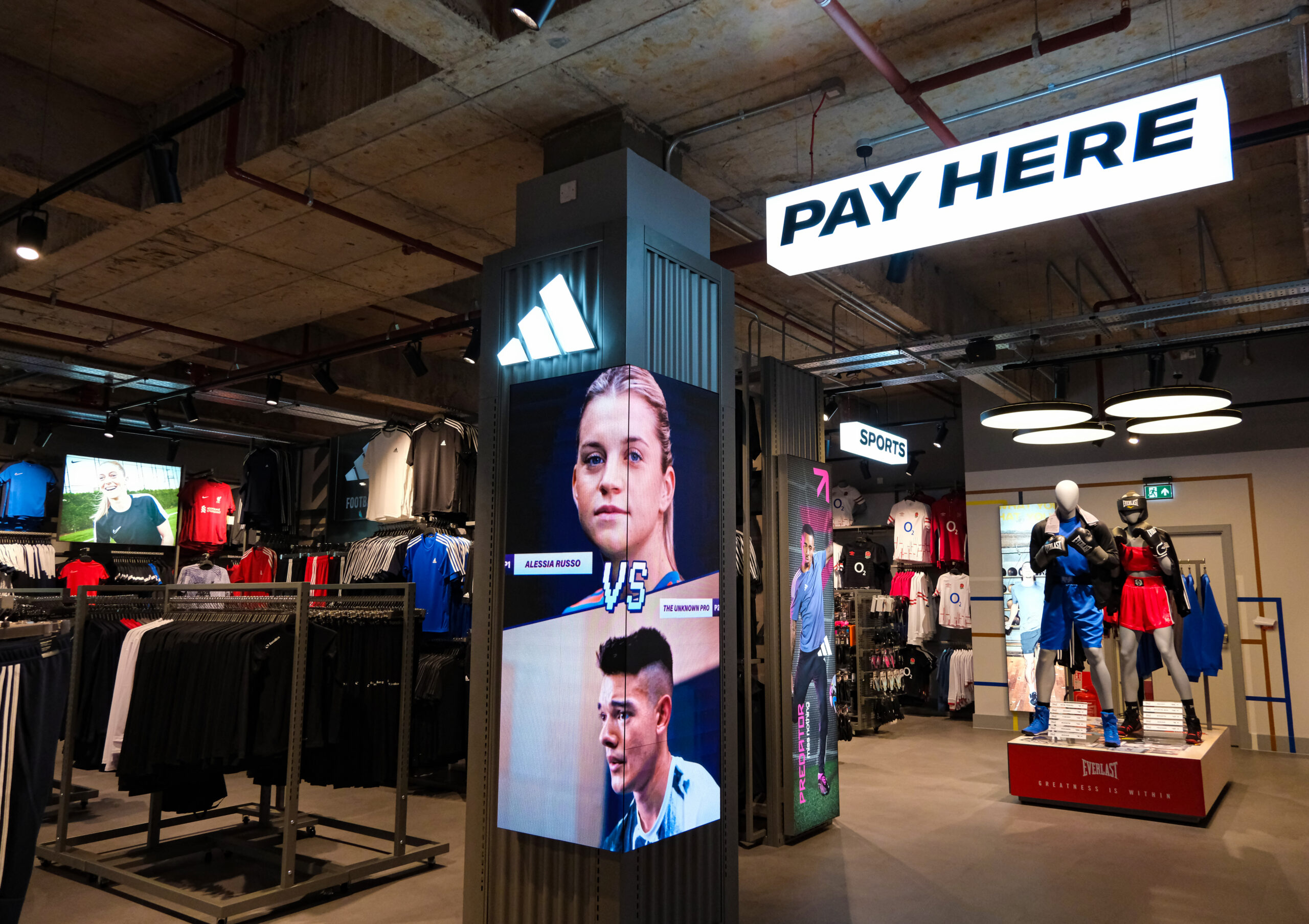
Retail media has become one of the fastest-growing areas in advertising. But for a lot of retailers, it still feels like something that belongs to the big players, the supermarkets and online giants with dedicated teams and eight-figure budgets.
It is not. And the retailers who understand that early are the ones who will benefit most from it.
Here are the five fundamentals, what retail media actually is, why it is growing so fast, and what it takes to build something that works.
1. What retail media actually is
Retail media is advertising that runs inside a retailer’s own environment, whether that is on their website, in their app, or on screens in their physical stores.
The key difference between retail media and traditional advertising is proximity to the purchase. A social ad reaches someone on their sofa. A search ad reaches someone researching a category. Retail media reaches someone who is already in the store, already in the mindset to buy, and standing in the aisle where the decision gets made.
For brands, that proximity is enormously valuable. For retailers, it means their stores and their digital channels are not just routes to sale, they are media assets that brands will pay to be part of.
2. Why it is growing so fast right now
Several things have converged at once to make retail media one of the most discussed topics in the industry.
Third-party cookies are going away, which has made first-party audience data significantly more valuable. Retailers hold some of the best first-party data available: purchase history, category preferences, loyalty behaviour, and real-time in-store footfall. Brands that previously relied on cookie-based targeting are looking for alternatives, and retail media is one of the most compelling.
At the same time, the technology to build and run retail media networks has matured. Content management systems, measurement platforms, and commercial frameworks that used to require enterprise-level investment are now accessible to mid-size retailers. The barrier to entry has dropped considerably in the last two to three years.
Retail media is no longer a niche play. It is becoming a standard part of how physical and digital retail operates.
3. The difference between in-store and online retail media
Most people’s first reference point for retail media is the sponsored product results at the top of a supermarket website. That is retail media, but it is only part of the picture.
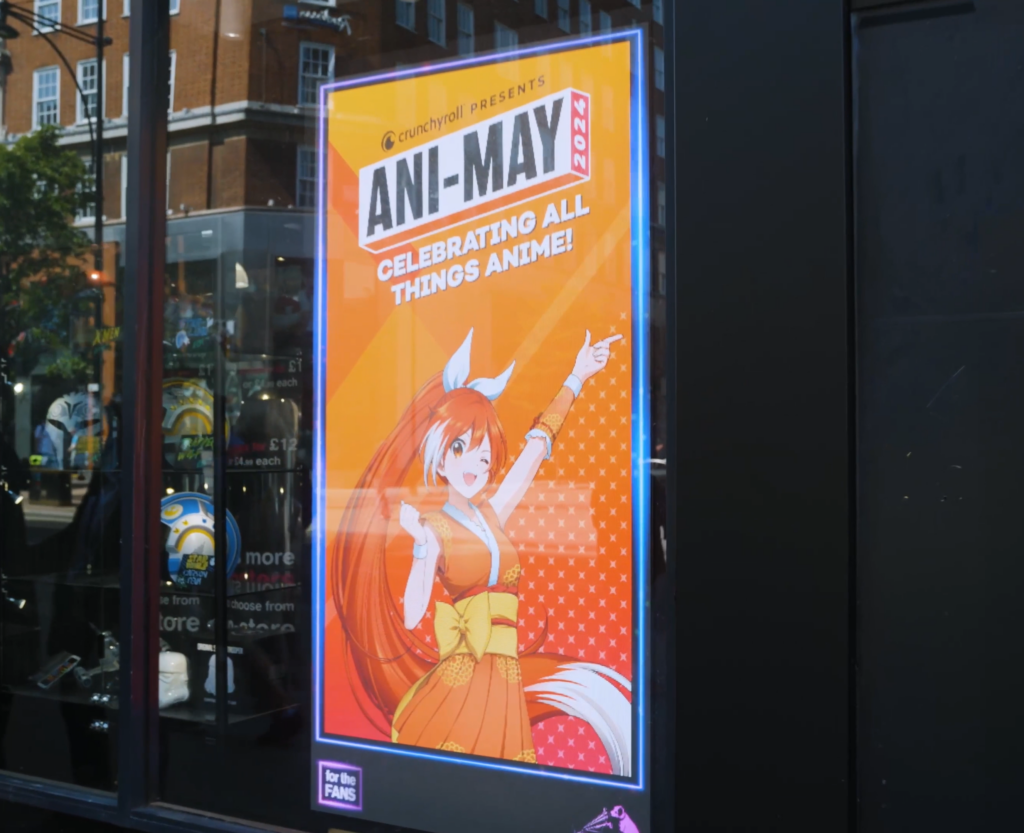
In-store retail media is the physical equivalent: digital screens deployed across a store estate that run brand campaigns while shoppers are actively in the building. Totems at the entrance. Screens in high-dwell areas. Displays at the shelf edge, at the point where a shopper is choosing between your product and a competitor’s.
In-store has a distinct advantage over online: you can reach people who never engage with a retailer’s digital channels. For many categories, particularly in specialist and outdoor retail, the majority of purchasing decisions still happen in-store. In-store retail media is where those shoppers can actually be reached.
4. What makes a retail media network actually work
The most common mistake retailers make when entering retail media is treating it as a screen installation project. It is not. The screens are the visible part. The network is what makes them worth anything.
A retail media network that brands will invest in needs four things to be true. First, consistent hardware across sites, so brands know what they are buying. Second, centralised content management, so campaigns can be deployed and updated at scale. Third, a measurement layer that can attribute sales impact to individual campaigns. And fourth, a commercial framework, rate cards, booking processes, campaign standards, that makes it straightforward for brands to buy.
Without all four, what you have is screens. With all four, you have a media product.
5. How you know if it is working
Measurement is what separates a retail media network that grows from one that stalls. Brands will come back when they can see what their investment delivered. They will not when they cannot.
The most straightforward measurement approach for in-store retail media is a screened vs non-screened store comparison. Run the same campaign across a screened and non-screened cohort of stores simultaneously, and measure the difference in sales performance. The delta is the campaign effect.
Good retail media networks also track category share uplift, incremental units sold, and repeat purchase behaviour. The more granular your data, the stronger your case to brand partners at the next renewal conversation.
Measurement is not something you add once the network is live. It needs to be built in from the start.
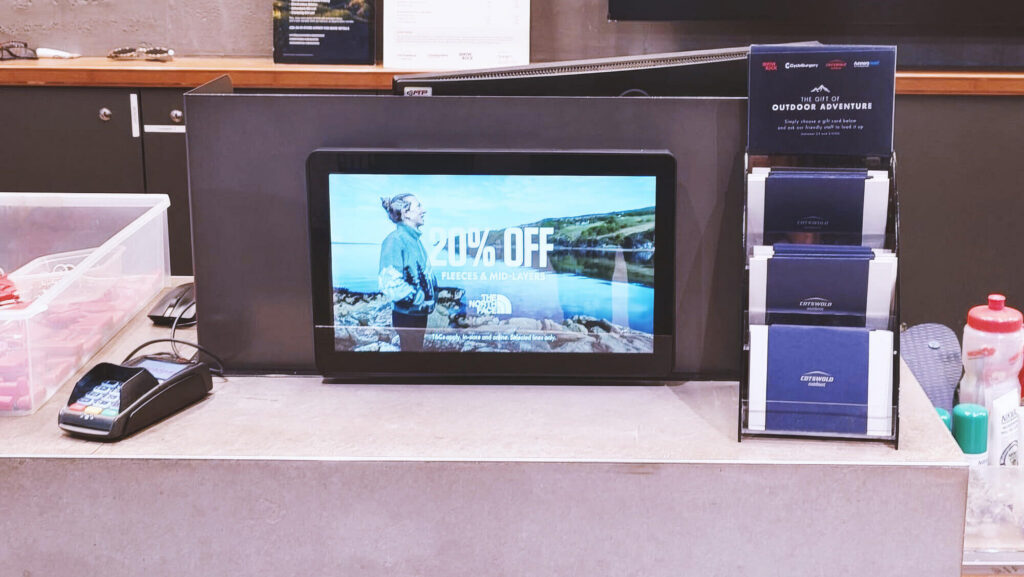
See what this looks like in practice.
We built a retail media network for Cotswold Outdoor Group across a 65+ store estate. The case study covers the architecture, the brand campaign results, and the data from the first screened vs non-screened comparison.
