

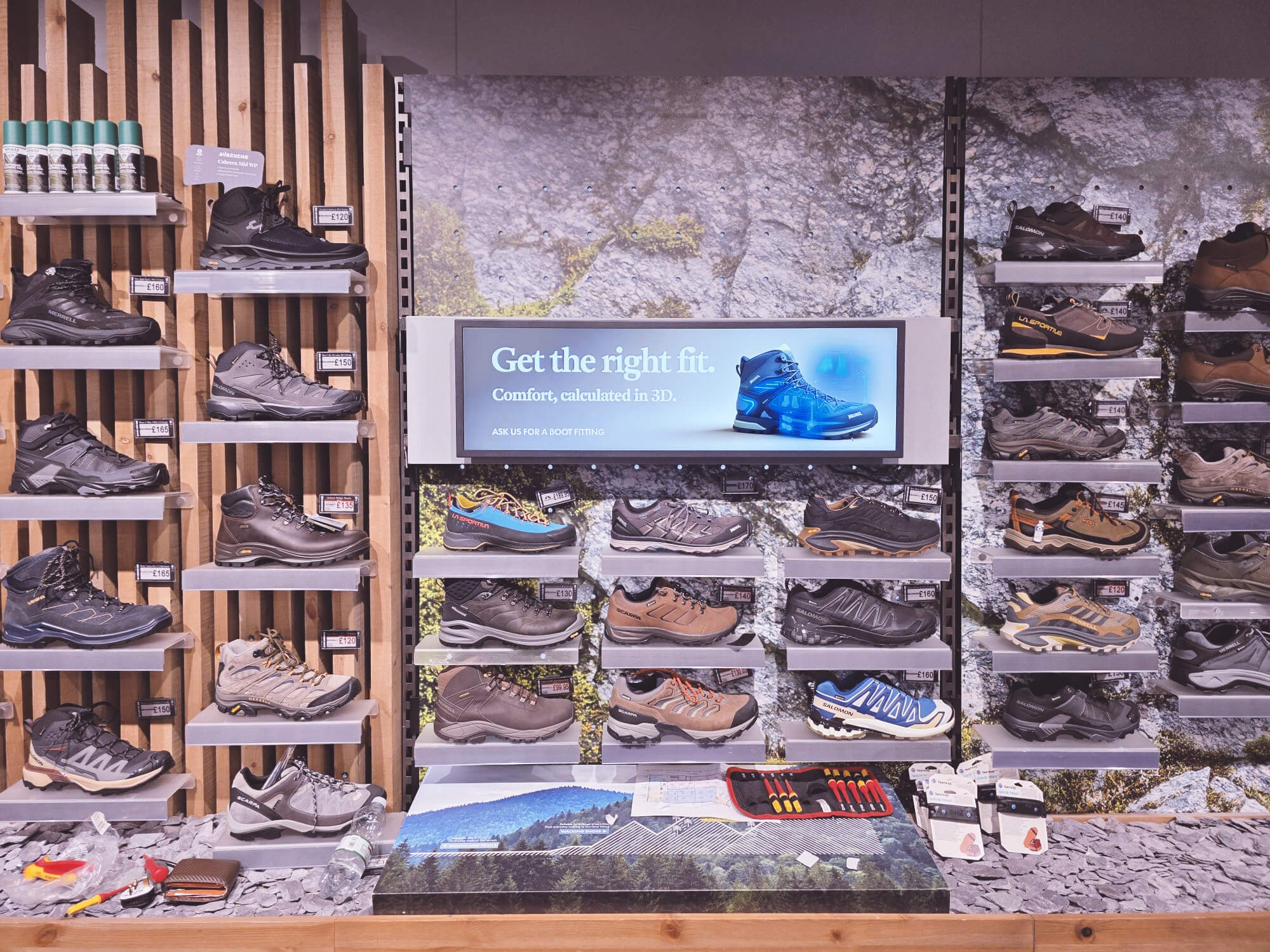
Brand budgets are moving toward retail media. The question for retailers is not whether the demand is there. It is whether your estate is ready to capture it.
Getting brands to commit meaningful investment to your in-store retail media network is not about having screens. It is about having the right infrastructure, the right measurement, and the right commercial framework around them. This is what that looks like in practice.
1. Understand what brands are actually buying
Before you can build something brands will invest in, you need to understand what they are paying for.
Brands are not buying your screens. They are buying access to your shoppers at the moment those shoppers are most ready to act. In-store retail media reaches people who have already decided to shop in a category, in the place where the final brand decision gets made. That is a fundamentally different kind of attention to anything a digital campaign can buy.
The brands that invest most aggressively in retail media understand this distinction. For them, in-store is not an extension of their media plan. It is a direct line to the point of purchase. Your job is to make your estate the best possible version of that channel.
2. Build at a scale brands can act on
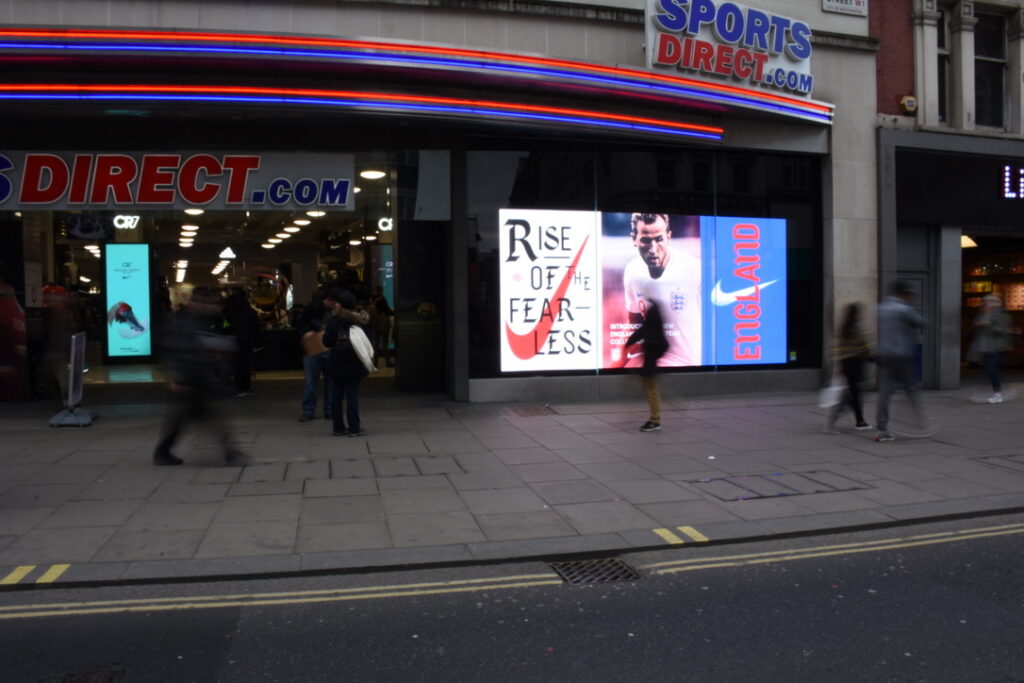
Scale is the first filter brands apply. A handful of screens in a handful of locations does not represent a media buy worth their time. The threshold varies by brand and category, but the principle is consistent: the network needs to reach enough of the right audience to move a number they care about.
This means thinking about your estate as a whole, not location by location. Which sites drive the highest footfall? Which categories see the most brand competition? Where can you deploy in a way that creates a coherent network, rather than a collection of individual screens?
Brands need to see an audience worth buying. Build with that in mind from the start.
3. Nail the infrastructure before you sell the inventory
The biggest mistake retailers make when approaching retail media is trying to commercialise before the infrastructure is ready. Brands that have been burned by fragmented, inconsistent networks are cautious. If your hardware varies by site, your content management is handled location by location, and you cannot show them a unified view of what their campaign reached, you will not get the budget.
A retail media network that brands will pay for requires consistent hardware across sites, centralised content management, clear ownership of the media layer, and the commercial frameworks that let you price and sell inventory properly.
Get the infrastructure right first. The commercial conversations become significantly easier once you can demonstrate it.
4. Make measurement central, not an afterthought
Brand investment in any channel lives or dies by measurement. If you cannot show them what their campaign delivered, they will not come back.
This means knowing, before you launch any campaign, how you will attribute sales impact, how you will compare screened and non-screened performance, and how you will report results in a way that maps to the metrics brands actually track. Uplift data, category share shifts, incremental units sold, these are the numbers that justify budget at the next planning cycle.
Retailers who build measurement capability early create a compounding advantage. Every campaign becomes a case for the next one.
5. Give brands a reason to move now
In-store retail media is still early enough that the retailers who move first will set the benchmark. Brand partners know this. They are actively looking for estates with the right infrastructure to work with, because the category is growing and the supply of high-quality networks is limited.
That scarcity is your leverage. But it requires having something worth offering. The retailers that will attract and retain brand investment are the ones who can demonstrate a well-built, well-measured, consistently performing network.
Speed to market matters here too. A network that takes years to build at scale is not competitive. Brands want partners who can move fast without cutting corners.
What this looks like in practice
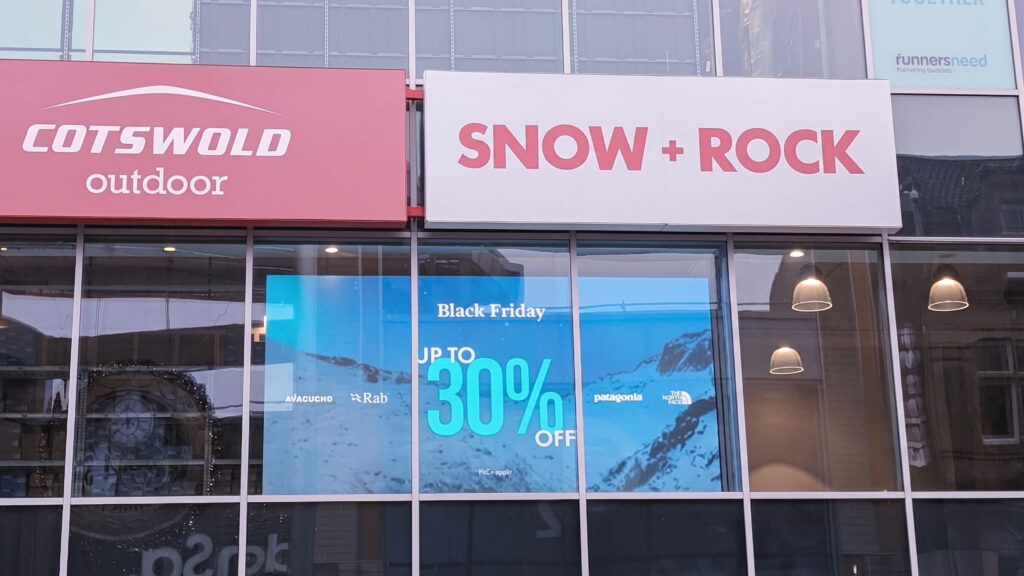
Cotswold Outdoor Group built a 149-display retail media network across a 65+ store estate in under 12 weeks. The first major brand campaign ran across screened and non-screened stores simultaneously, and the difference in performance was immediate and measurable.
That network now generates brand revenue on an ongoing basis. The infrastructure that made it possible is documented in detail in the case study below.
See how this can look in action.
The Cotswold Outdoor Group case study covers the full build: the architecture, the commercial framework, and what the first major brand campaign delivered across screened and non-screened stores.
