

One of the first questions I’m asked about an activation is: “How many people will it reach?”
It’s an understandable question, but it’s rarely the best place to start.
A busy activation isn’t necessarily an effective one. A queue isn’t the same as engagement, and a large crowd means very little if you don’t know who participated, what they did or whether the experience changed their relationship with the brand.
The better question is: what did the experience cause people to do?
That is where meaningful measurement begins.
What Does Experiential Marketing ROI Actually Mean?
Experiential marketing ROI is the value created by an experience compared with the cost of delivering it.
But value doesn’t always mean an immediate sale.
Depending on the objective, it could mean new customer registrations, marketing opt-ins, loyalty sign-ups, product trials, personalised content, qualified leads or repeat engagement.
That objective must be agreed before the activation is designed. If measurement is only discussed once the creative concept has been approved, opportunities will already have been missed.
Measurement should shape the experience, not be added to it afterwards.
Move Beyond Footfall and Impressions
Footfall and impressions are useful indicators of reach, but they don’t tell us whether anyone had a meaningful interaction.
I’m more interested in what happens after someone arrives.
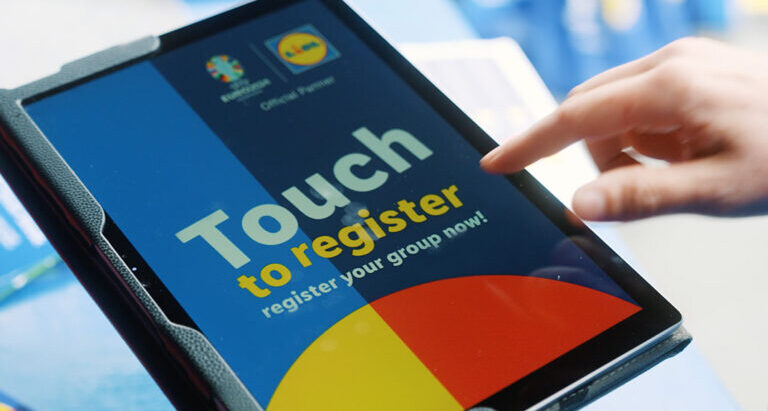
- Did they register?
- Did they participate?
- Did they complete the experience?
- Did they visit more than one area?
- Did they return for another attempt?
- Did they save or share their content?
- Did they opt in to hear from the brand?
These behaviours give us a much clearer picture of whether an activation worked.
Dwell time can also be misleading. Someone might remain in a space because they are engaged—or because they are stuck in a queue. Data needs context if it is going to support better decisions.
Connect the Whole Experience
Effective measurement comes from connecting each part of the visitor journey.
We saw this when delivering NBA House across Berlin and London. Nine branded stands were brought together through one digital House Pass, connecting registration, entry, participation, scores and rewards to a single fan profile.
Across the two cities, 20,000 fans registered and 50,000 tokens were unlocked.
Those headline figures demonstrated scale, but the more valuable outcome was the insight behind them. The NBA could understand which stands fans visited, what they participated in and how they moved through the experience. That activity then flowed into its CRM.
Instead of producing a collection of anonymous interactions, the fan zone created a lasting source of first-party audience insight.
Give People a Reason to Participate
Data capture should never feel like an obstacle between the visitor and the experience.
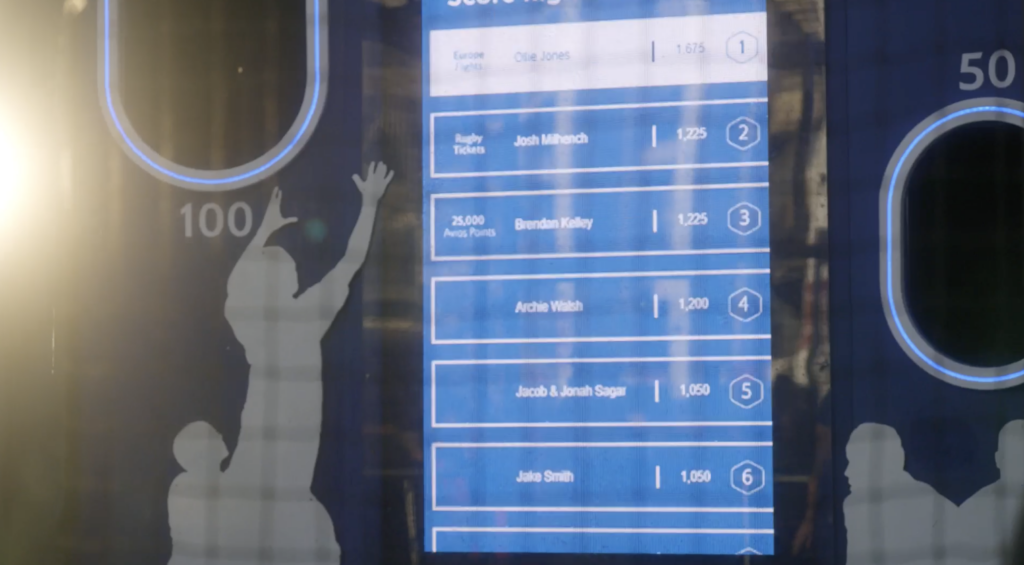
Nobody attends an event because they want to complete a form. People will, however, register to save a score, join a leaderboard, receive personalised content or unlock a reward.
The value exchange needs to be immediate and clear.
Technology such as RFID, QR codes, sensors and digital passes can help connect physical activity with an individual profile. But the technology should remain in the background.
From the visitor’s perspective, the experience should simply feel easy, personal and rewarding.
Measure What Happens Afterwards
The impact of an activation doesn’t necessarily end when the event closes.
Someone might engage with follow-up content, redeem a reward, join a loyalty programme or make a purchase days or weeks later. If event data sits in a separate spreadsheet, the brand may never connect that activity to the original experience.
That is why CRM integration and post-event measurement are so important.
The right measurement period will depend on the campaign, but it should be established in advance. Brands need to decide what behaviour they will track and how long they will track it for.
Better Measurement Creates Better Experiences
Measurement shouldn’t exist simply to prove that an activation was successful.
It should tell us why it worked, where people lost interest and what we should change next time.
That becomes especially valuable when an activation is built as a reusable platform. Each deployment creates more insight, allowing the experience to become faster, more relevant and more effective.
Experiential marketing will always be about emotion, atmosphere and human connection. Those qualities are what make it powerful.
But memorable and measurable are not opposites.
The strongest experiences achieve both. They create a moment people genuinely enjoy while giving the brand clear evidence of participation, audience growth and longer-term value.
So, rather than beginning with “How many people can we reach?”, start by asking:
“What do we want people to do, and how will we know they did it?”
That question leads to better experiences and better returns.
