


Supplier consolidation, acquisitions and business failures have left many retailers in an unexpected position.
The screens are still on the wall. The media players are still in the ceiling. But the company responsible for managing the network has disappeared, support has stopped, and nobody internally is quite sure what comes next.
If you’ve inherited a stranded digital signage estate, you’re not alone. More importantly, you’re probably not looking at a complete replacement project.
In most cases, you’re looking at a recovery project.
Don’t assume the estate has reached the end of its life
One of the biggest misconceptions is that when a digital signage supplier exits the market, the entire network becomes obsolete.
That’s rarely the case.
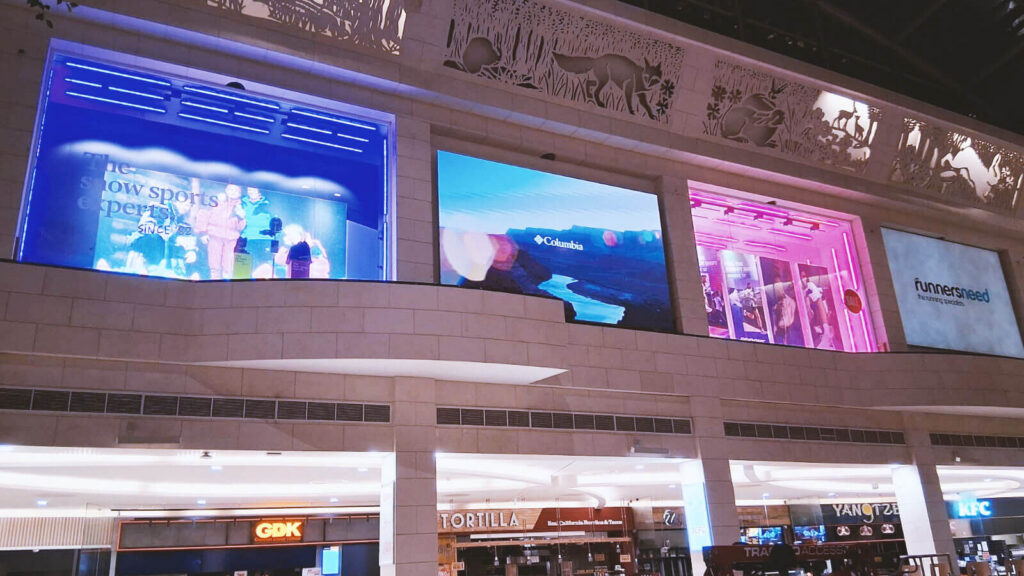
Commercial displays don’t stop working because a software licence has expired. Mounting systems, cabling, network infrastructure and even media players often remain perfectly serviceable. What has usually been lost is the management layer: the CMS, the support agreement, the scheduling platform and, in some cases, the technical documentation that explains how the estate was configured.
Understanding that distinction is important because it changes the conversation. Instead of replacing everything, the focus becomes identifying what can be retained, what needs upgrading and how the estate can be brought back under control.
Start with an audit, not a replacement quote
When support disappears, it’s tempting to look for a new supplier straight away.
The better first step is understanding exactly what you already own.
A detailed estate audit should establish the make, model and condition of every display, assess whether existing media players can be repurposed, review network connectivity across each location and identify which screens are genuinely offline versus those that are simply unmanaged.
Only once you have that information can you make informed decisions about new hardware, software or managed services.
We’ve seen retailers significantly reduce unnecessary replacement costs simply by understanding what was already in place before beginning a migration.
Keep the estate running while you transition
For many retailers, the biggest concern isn’t choosing a new platform.
It’s keeping the business running while the change happens.
No retailer wants hundreds of screens going dark overnight because a migration hasn’t been planned properly.
A phased approach almost always delivers the best outcome. Start with a representative pilot across a small number of locations, validate the new platform, confirm that content scheduling and reporting are working correctly, then roll out in stages across the wider estate.
By treating the migration as an operational continuity project rather than a technology refresh, disruption can be kept to an absolute minimum.
Use the opportunity to future-proof the estate
Replacing the management layer creates an opportunity that many organisations overlook.
Rather than rebuilding exactly what you had before, ask whether your estate is capable of supporting where the business wants to be in three or five years’ time.
Many legacy digital signage networks were designed to display promotional content and internal messaging. Today’s estates can do much more.
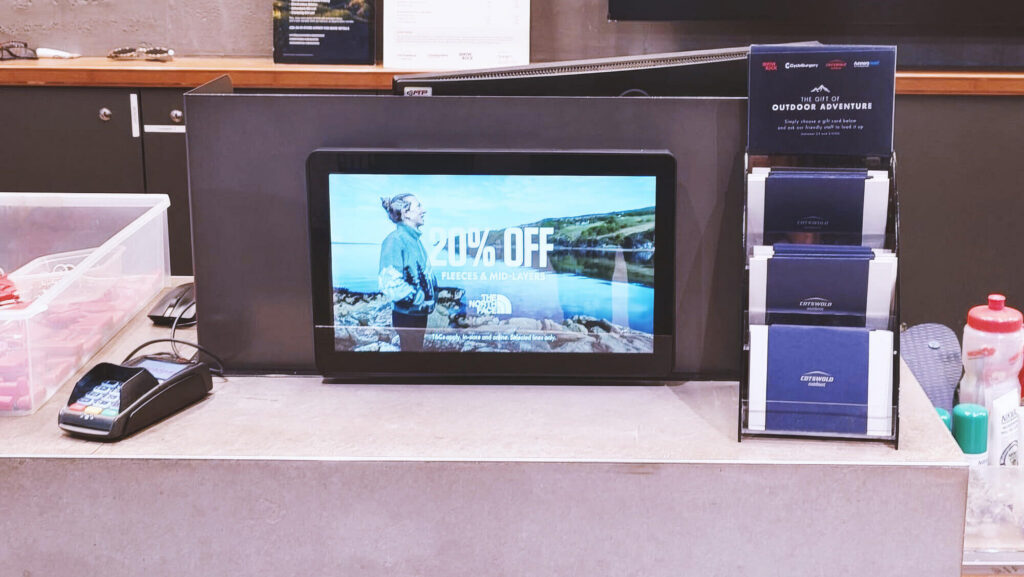
Retailers are increasingly using connected screen networks to support retail media, deliver targeted campaigns, respond dynamically to trading conditions and generate new commercial revenue from existing physical assets.
If you’re already replacing software and support, it’s worth considering whether your new platform is capable of supporting those ambitions in the future.
Choose a managed service, not just a supplier
Technology is only one part of the equation.
Long-term success depends on how well the estate is monitored, maintained and supported once it’s live.
When evaluating a new partner, don’t just ask about software features. Ask who is responsible for uptime, how faults are identified, what happens when hardware fails and how quickly issues are resolved.
A resilient digital signage network isn’t built on software alone. It’s built on clear ownership, proactive monitoring and a support model designed to keep the estate performing every day.
Recover first. Replace only where necessary.
If your digital signage supplier has exited the market, don’t assume your investment has been lost.
Start by understanding the estate you’ve already got. Audit it. Assess it. Recover what you can.
Only then should you decide what needs replacing.
Taking that approach not only protects existing investment, but also creates the opportunity to build a more resilient, scalable and commercially valuable network for the future.
If you’re facing a stranded estate, IUF can help you assess what’s recoverable, plan a phased migration and implement a managed service that keeps your network performing long after the transition is complete.
