

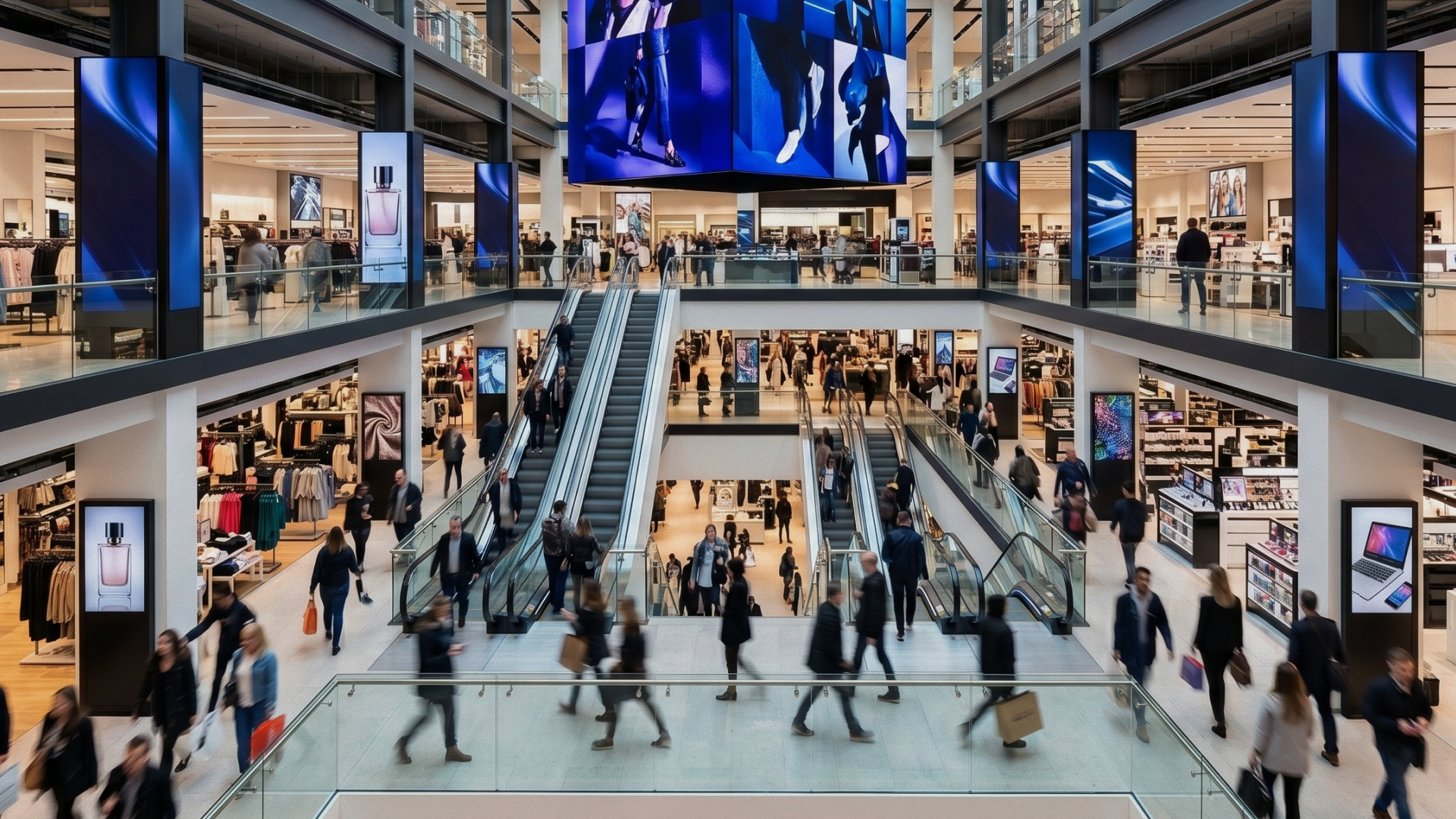
A quiet but significant shift is underway in how the most commercially astute large retailers think about their estates. The penny is dropping that a physical store isn’t just a place to sell products. It’s a media property, and for many retailers, it’s one of the most undermonetised assets on the balance sheet.
This piece is for commercial directors who are already asking the right questions. If you’re responsible for commercial growth at a multi-site retail organisation, here’s why retail media deserves to be on your agenda today.
The Media Owner Mindset Shift
The advertising industry has understood for decades that audience attention is a commercial asset. Broadcasters, publishers, and out-of-home operators have built entire business models around aggregating audiences and selling access to them. The economics are well understood: quality environment plus engaged audience equals advertising revenue.
Retailers have historically operated outside this model, focused on trading margin rather than media revenue. But the commercial logic is identical. A Sports Direct flagship on Oxford Street isn’t just a shop. It’s a premium media environment, visited by millions of high-intent consumers every year. That audience has advertising value far beyond the margin on any single transaction.
What a Retail Media Network Actually Is
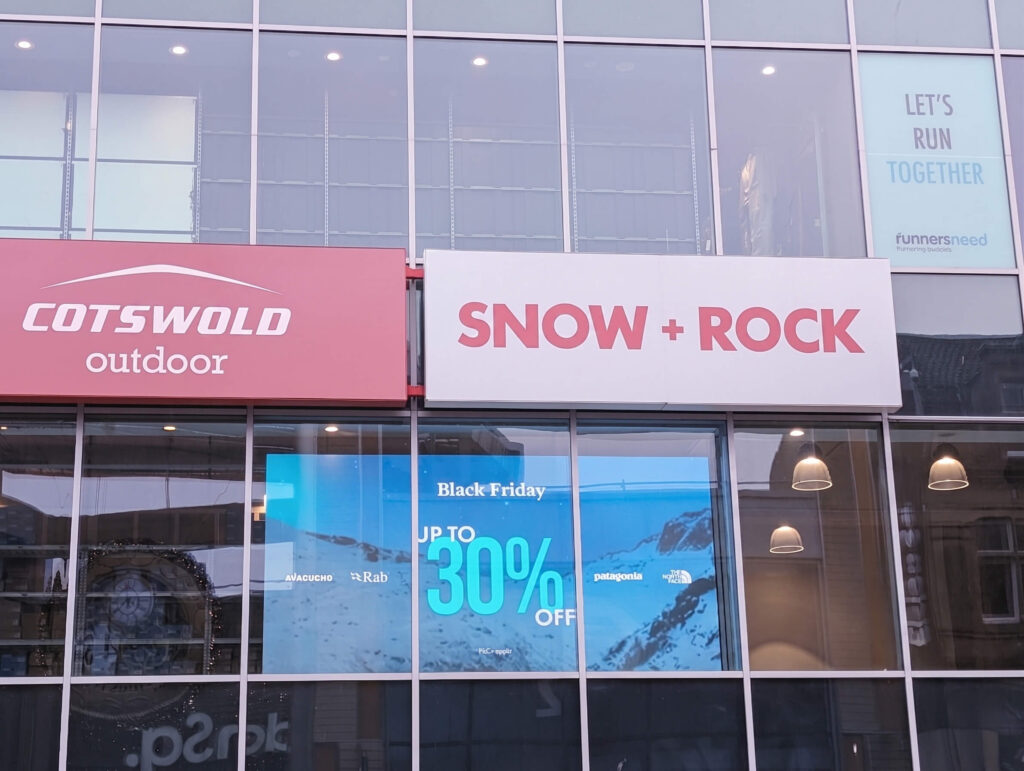
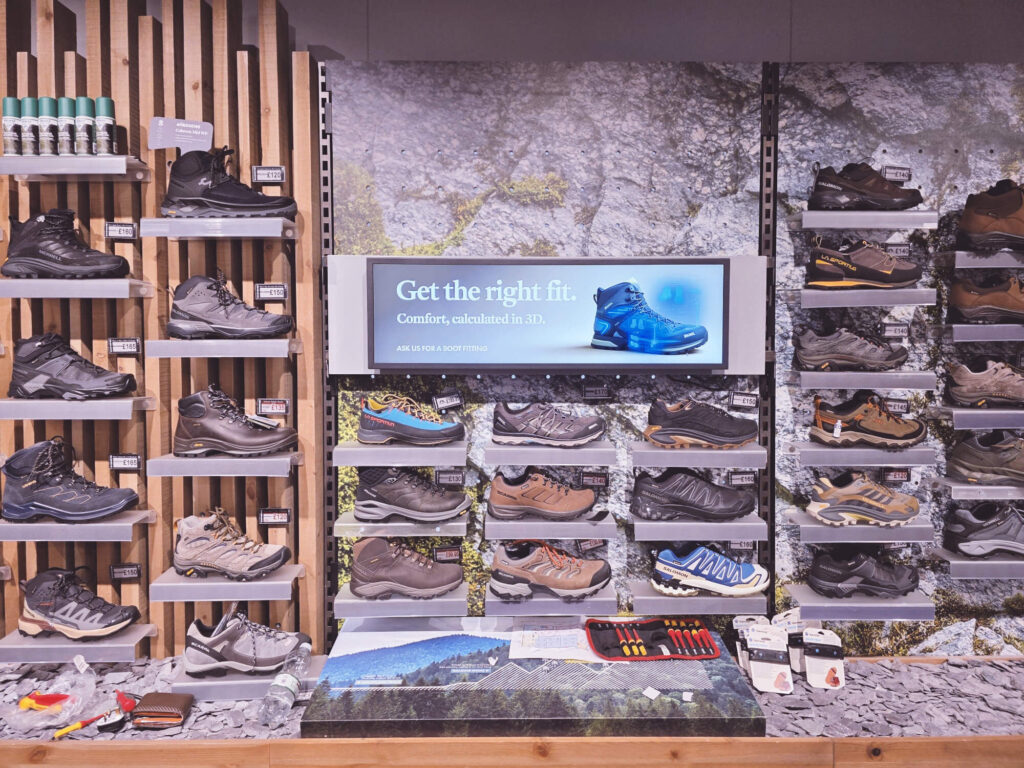
A retail media network is the commercial structure that converts this latent value into real revenue. It involves deploying a digital display estate across your stores, screens in high-traffic locations, digital fixtures near product categories, interactive displays in dwell zones, and selling advertising inventory on those screens to brand partners.
The value exchange is clear. Brands gain access to a highly qualified, purchase-ready audience at the point of sale. Retailers generate incremental advertising revenue from an asset they already own. Both sides benefit. And critically, the advertising revenue isn’t dependent on trading conditions, it creates a more resilient, diversified commercial model.
Why Infrastructure Quality Is Everything
The quality of the advertising revenue you can generate is directly proportional to the quality of the network you build. Brands will pay premium rates for well-placed, well-maintained, dynamic screens in premium retail environments. They will not pay for poorly positioned hardware running static content in low-traffic zones.
This is where IUF’s 20 years of experience becomes commercially critical. We’ve built and managed digital display networks across 170+ Frasers Group sites. We know what hardware performs in retail conditions, how content management systems need to be structured for multi-brand estates, and what drives brand partners to invest at scale. That operational knowledge is not easily acquired, it’s built over years of real deployment.
The Commercial Director’s Action Points
If you’re a commercial director at a large retail group, there are three questions worth addressing in the near term.
- What is the current state of your digital display infrastructure, and is it capable of supporting a retail media network?
- Which brand partners are you already in commercial relationships with who might become media buyers?
- Do you have a technology and managed services partner who can operate the network without adding operational burden to your store teams?
The answers will tell you how quickly you can move from concept to revenue. And in a market where retail media is growing fast, speed of entry matters.
Let’s Talk About Your Commercial Opportunity
IUF builds and manages in-store retail media networks for enterprise retailers. From initial infrastructure audit to full network deployment and managed operations, we handle the technology so you can focus on the commercial model.
