

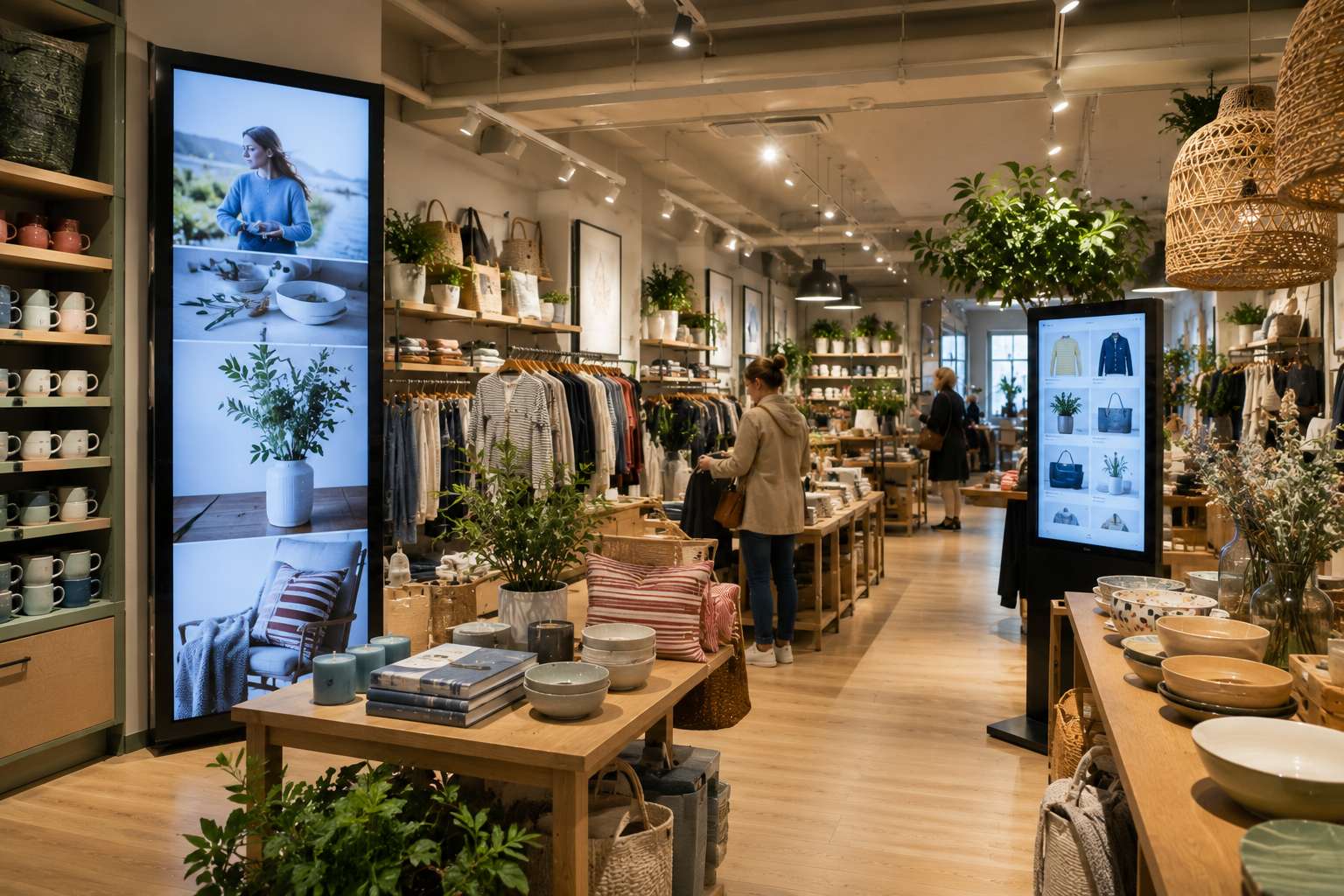
Retail media is often discussed as though it’s exclusively available to organisations with hundreds of stores, dedicated technology teams, and large capital budgets. That assumption is stopping mid-sized, multi-site retailers from accessing one of the most commercially valuable opportunities in the market right now.
The truth is more accessible than the perception. Here’s what multi-site retail media actually looks like — and how an OpEx model removes the most common barriers to getting started.
The Real Cost of Doing Nothing
Before addressing the investment question, it’s worth framing what inaction costs. Every week your stores operate without a digital retail media proposition is a week when your brand partners are spending their in-store advertising budgets elsewhere, or nowhere. The footfall you’ve already invested to generate is delivering zero media revenue. Competitors who launch retail media networks, even at smaller scale, will be building brand relationships and recurring revenue streams that compound over time.
The question isn’t whether you can afford to build a retail media network. The question is whether you can afford not to.
What the OpEx Model Actually Means
An OpEx retail media model means the infrastructure, hardware, installation, content management platform, ongoing support and maintenance, is delivered as a managed service rather than a capital purchase. Instead of a large upfront investment requiring board approval and lengthy procurement cycles, you access the full technology stack for a regular monthly cost.
Under IUF’s managed service model, we provide the hardware, the content platform, technical support, and proactive monitoring. Your operational team focuses on trading. We manage the technology. You generate the media revenue.
Revenue Share: When the Network Funds Itself
For retailers with established brand partnerships, a revenue-share model goes further still. Rather than any monthly fee, IUF funds the infrastructure deployment in exchange for a percentage of the advertising revenue the network generates. Your screens begin earning from day one. As brand spend on the network grows, your share grows with it.
In this model, the retail media network is essentially self-funding. The infrastructure is paid for by the commercial activity it creates. For a mid-sized retailer with strong brand relationships and limited capital appetite, this is often the most attractive path to market.
Speed to Market: A Genuine Advantage
One of the most undervalued benefits of the OpEx route is speed. Enterprise CapEx projects involve procurement processes, capital allocation committees, extended lead times, and complex internal sign-off. An OpEx managed service model bypasses most of this. A mid-sized retailer can move from initial scoping conversation to live network in a significantly compressed timeline.
If you operate 10, 20, or 50 stores and want to be running a retail media proposition this year, the OpEx route is almost certainly the fastest way to get there.
What You Need to Have in Place
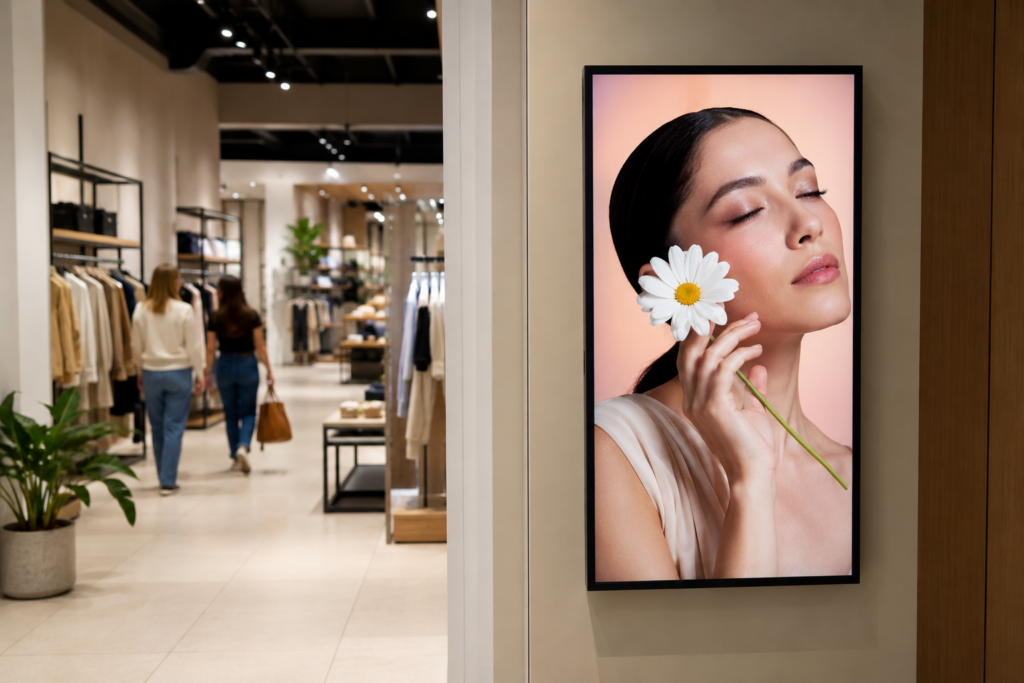
Three things accelerate the path to market for mid-sized operators. First, some existing brand relationships, partners who would value access to your shoppers and might contribute advertising spend. Second, physical store environments with suitable locations for digital displays, high-traffic areas, entrance zones, near product categories. Third, a clear commercial lead who can drive the proposition internally and manage brand partner conversations.
IUF provides the rest. Hardware, platform, installation, content management, and ongoing managed service. We’ve built this model for operators of all sizes.
Let us show you what it looks like for yours.
Find Your Path to Market
IUF has deployed retail media networks for retailers of all sizes, from major national estates to focused multi-site operators. We’d love to walk you through what a realistic, low-risk launch looks like for your business.
