

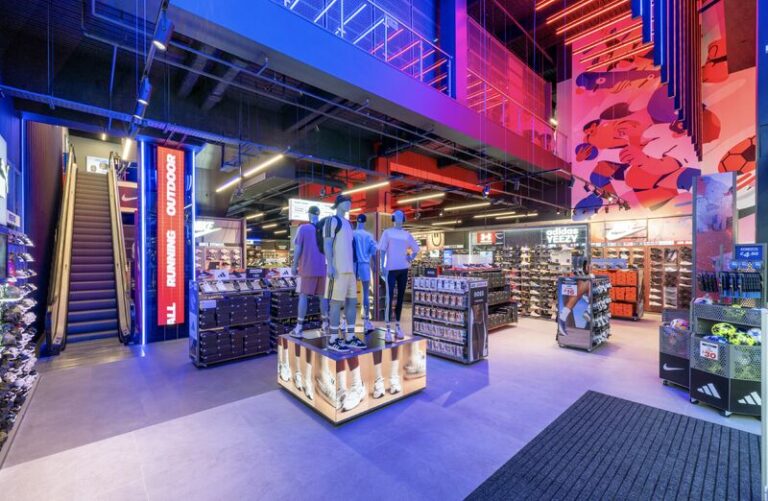
With UK retailers facing further increases in electricity costs, IUF explores why the focus should shift from cutting technology investment to making every investment work harder.
UK retailers are facing another squeeze on operating costs. According to Cornwall Insight, as reported by Retail Gazette, business electricity costs could rise by an average of 13% by the end of the decade, with smaller high street retailers among the hardest hit.
The British Retail Consortium (BRC) also forecasts that retailers’ electricity bills will increase by £440 million in 2026, despite consumption remaining relatively unchanged.
With budgets under pressure, retailers may understandably become more cautious about investing in technology. But could smarter digital signage actually help them operate more efficiently?
Smarter screens, lower energy consumption
Modern digital signage offers opportunities to reduce unnecessary electricity use through automatic brightness controls, intelligent scheduling and remote management.
According to ENERGY STAR, certified commercial signage displays are, on average, 4% more energy efficient than conventional alternatives.
Small improvements can also add up across larger retail estates.
For example, a retailer operating 100 screens, each consuming 150 watts, could save approximately 21,900 kWh annually by reducing daily operating hours from 16 to 12.
At an illustrative electricity price of 25p per kWh, that’s a potential saving of £5,475 per year.
While this is an illustrative calculation rather than a measured customer result, it demonstrates the value of managing signage more intelligently.
Efficiency goes beyond electricity
Energy consumption is only part of the picture.
Traditional printed promotional materials require production, distribution and regular replacement, particularly across multi-site retail operations.
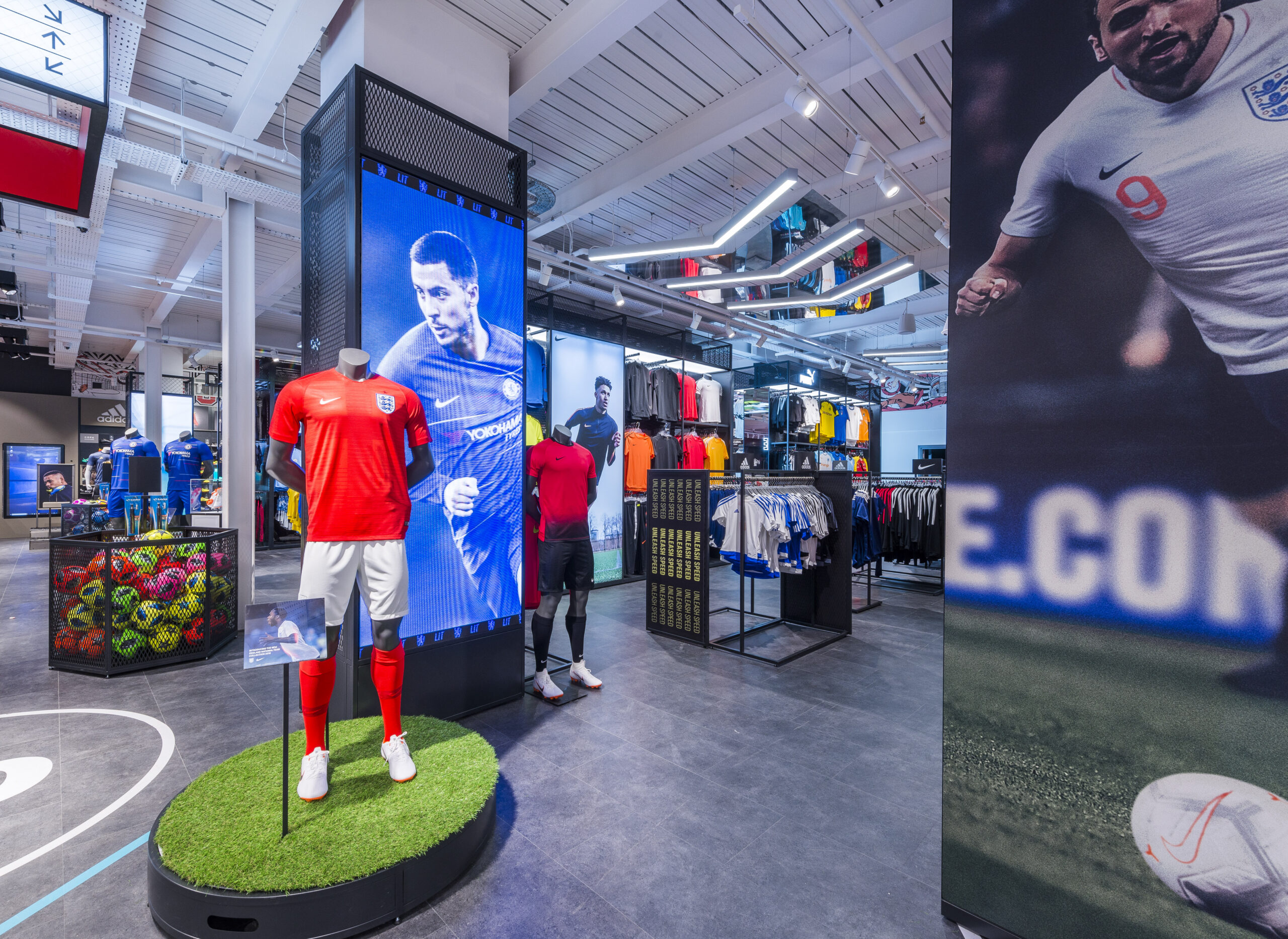
Digital signage allows retailers to update campaigns remotely, schedule content centrally and respond to changing promotions without continually replacing physical materials.
These capabilities can reduce operational complexity, save staff time and help retailers make better use of their resources.
Making existing technology work harder
Improving efficiency doesn’t always mean investing in new screens.
Retailers can often start by reviewing their existing networks. Are displays running outside trading hours? Is brightness appropriately managed? Could content updates be streamlined?
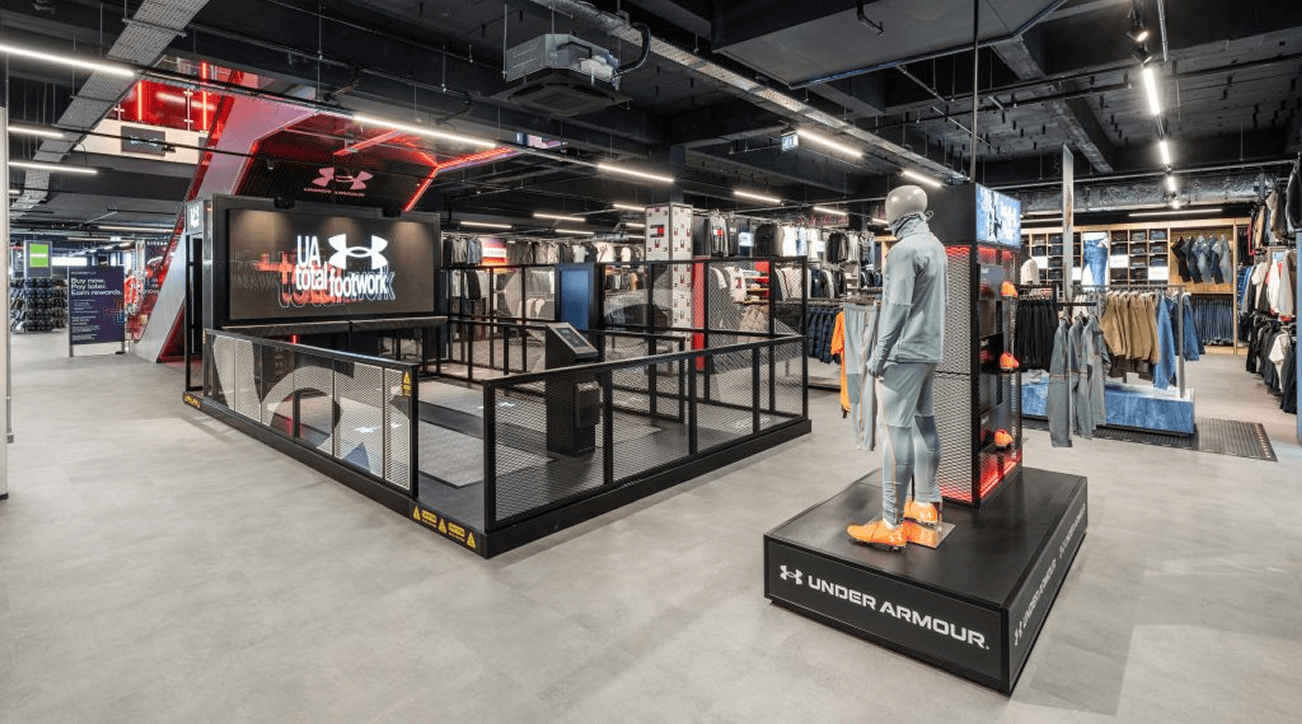
At IUF, we believe the focus should be on maximising the value of existing technology while making informed decisions about future investment.
That means looking beyond upfront hardware costs and considering energy consumption, maintenance, operational efficiency and the total cost of ownership.
Investing smarter, not simply spending less
Rising electricity costs are understandably prompting retailers to scrutinise expenditure. And while digital signage cannot eliminate increases driven by network charges and government levies, it can offer opportunities to improve efficiency in areas retailers can control.
The question isn’t simply whether retailers can afford to invest in digital signage.
It’s whether their existing and future technology investments are working hard enough.
At IUF, we help retailers explore how smarter digital signage solutions can support operational efficiency, improve in-store communications and deliver long-term value.
