

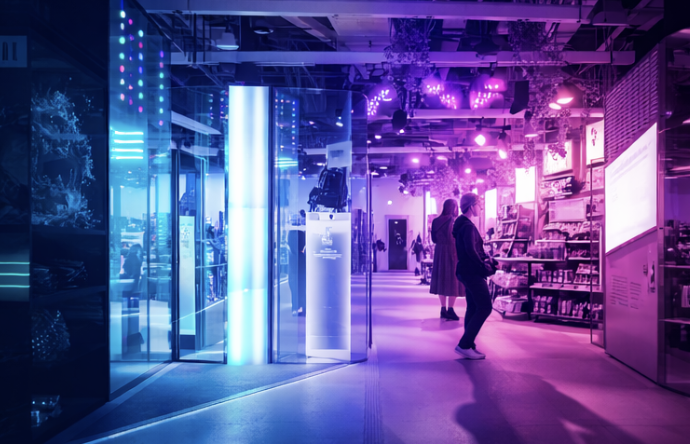
Physical retail has never been more creative.
Stores are thoughtfully designed. Merchandising strategies are refined. Digital screens and connected technology are increasingly common across the shop floor.
And yet many stores still face the same challenge: customers hesitate when it comes to making a decision.
Shoppers browse, compare products and explore displays, but too often they leave without committing to a purchase. This isn’t necessarily a failure of creativity or investment. More often, it reflects a deeper issue, stores are rarely designed around how customers actually make decisions.
To understand why, retailers need to start asking some difficult questions about the way physical retail environments support customers at the moment they are choosing between products.
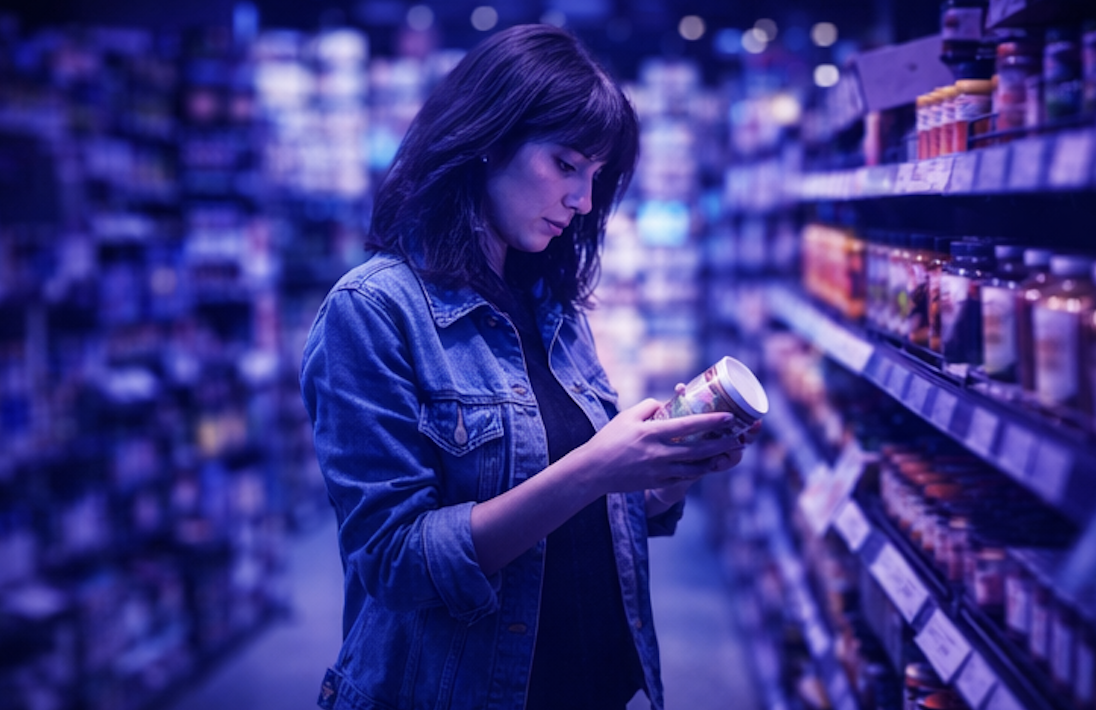
Physical Retail Still Dominates, But Expectations Have Changed
Despite the growth of ecommerce, physical stores remain the dominant retail channel. Around 80% of global retail sales still happen in physical stores, showing that brick-and-mortar environments continue to play a major role in how customers shop.
However, ecommerce has reshaped expectations. Online journeys are highly optimised, offering clear product comparisons, detailed information and structured decision support.
Research also shows that 91% of consumers prefer brands that provide a seamless omnichannel experience. As a result, physical stores are increasingly compared to the clarity and convenience of digital shopping journeys.
The challenge for retailers today is no longer just attracting customers into stores. It’s helping them make confident decisions once they arrive.
Why Do Customers Hesitate in Stores?
Hesitation is one of the most common behaviours in physical retail.
Customers pause in front of displays, move between products, or pick items up before putting them back down. This behaviour is often caused by decision friction.
Customers may struggle to decide when they encounter:
- Too many product options
- Unclear category organisation
- Limited product information
- Difficulty comparing alternatives
In ecommerce environments, these friction points are studied constantly. Retailers analyse behaviour, test layouts and optimise content to improve conversion.
In physical retail, these decision moments are often far less visible.
Where Do Decisions Actually Happen in Store?
Not every part of a store influences purchasing behaviour equally.
Customers rarely make decisions the moment they walk through the door. Instead, decisions tend to happen at specific moments within the store environment, such as:
- Product fixtures where customers compare options
- Trial areas where products can be tested
- Category displays where choices are narrowed
- Checkout areas where final commitment occurs
These locations represent the moments where browsing turns into buying.
Understanding where these moments occur is essential for retailers looking to improve store performance.
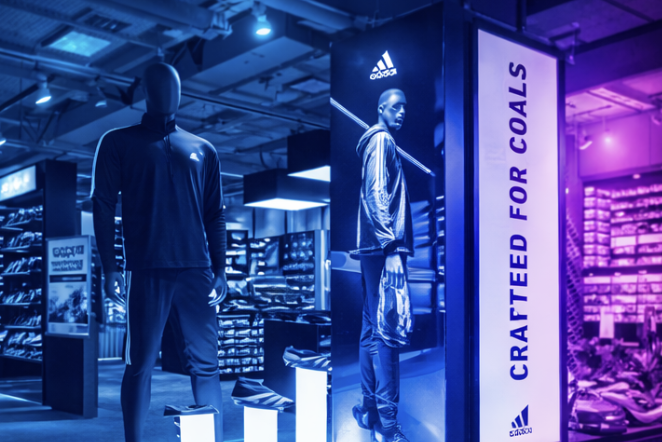
The Opportunity for Retailers
Physical retail still offers something ecommerce cannot replicate: real product experience.
Customers can touch products, test them and interact with knowledgeable staff. But unlocking this advantage requires stores to go beyond simply displaying products.
Instead, retailers may need to rethink stores as decision environments, spaces designed to support customers at the moment they are choosing between products.
Coming Soon: Presence, Proof & Profit
In our upcoming guide Presence, Proof & Profit, we explore how retailers can structure store environments around the moments where decisions actually happen, and how digital infrastructure can support those moments at scale.
Join the pre-release list to receive the guide first.
